(312) 681 7194


 Apparel Boxes
 CBD Boxes
 Electronic Boxes
 Jewelry Boxes
 Christmas Boxes
 Soap Boxes
 Bottle Boxes
 Hardware Boxes
 Health Boxes
 Product Boxes
 Pharma Boxes
 Holiday Boxes
 Shipping Boxes
 Sports Boxes
 Pre Roll Boxes
 Pizza Boxes
 Vape Boxes
 Hemp Boxes
 Cereal Boxes
 Bakery Boxes
 Gift Boxes
 Stationery Boxes
 Chocolate Boxes
 Retail Boxes
 Candle Boxes
 Food Boxes
 Tea Packaging
 Cigarette Boxes
 Cosmetic Boxes
 Coffee Packaging
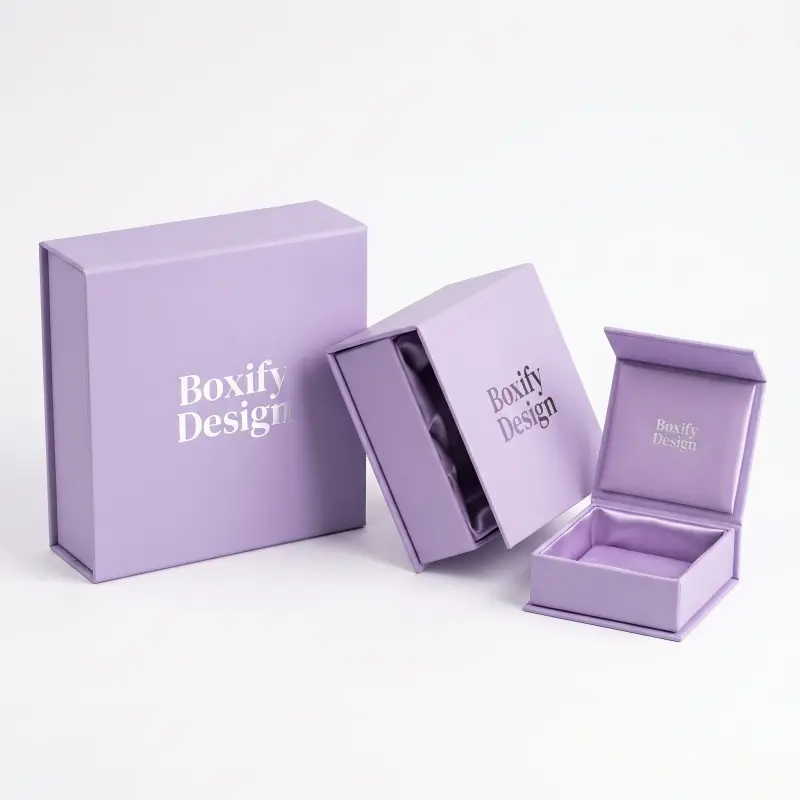
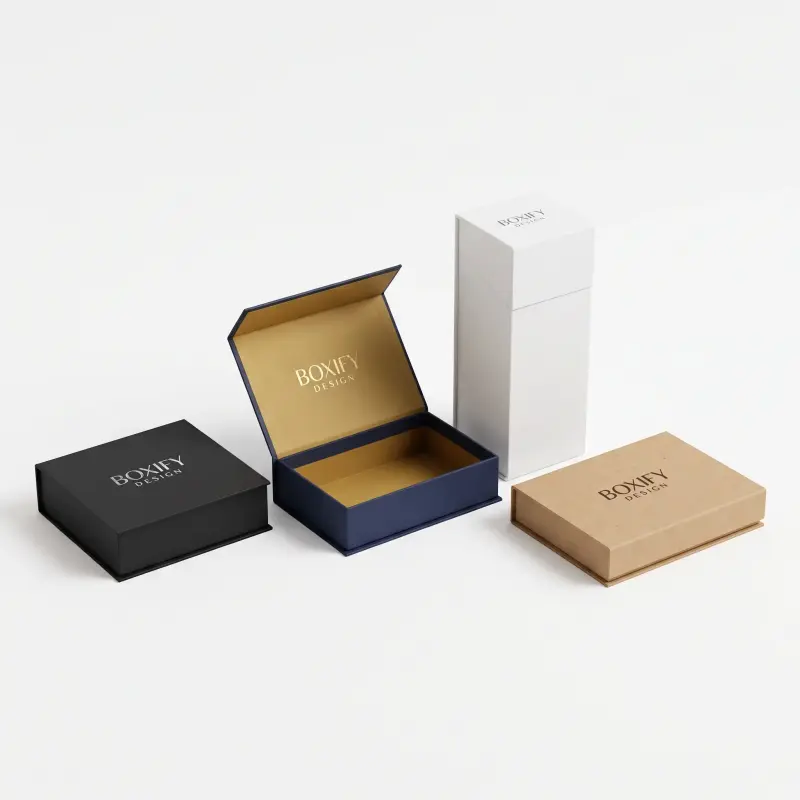
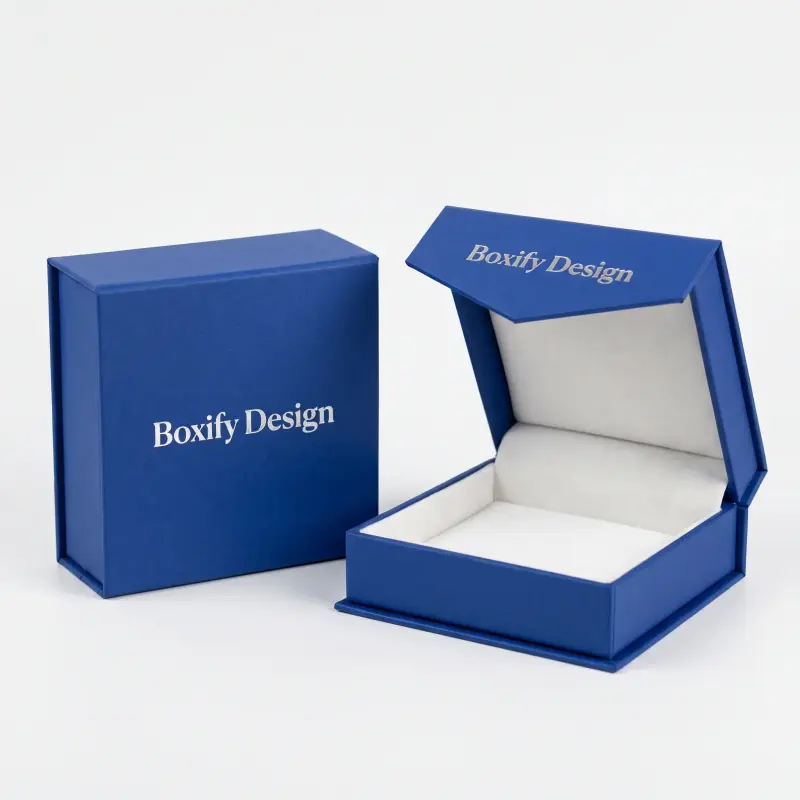
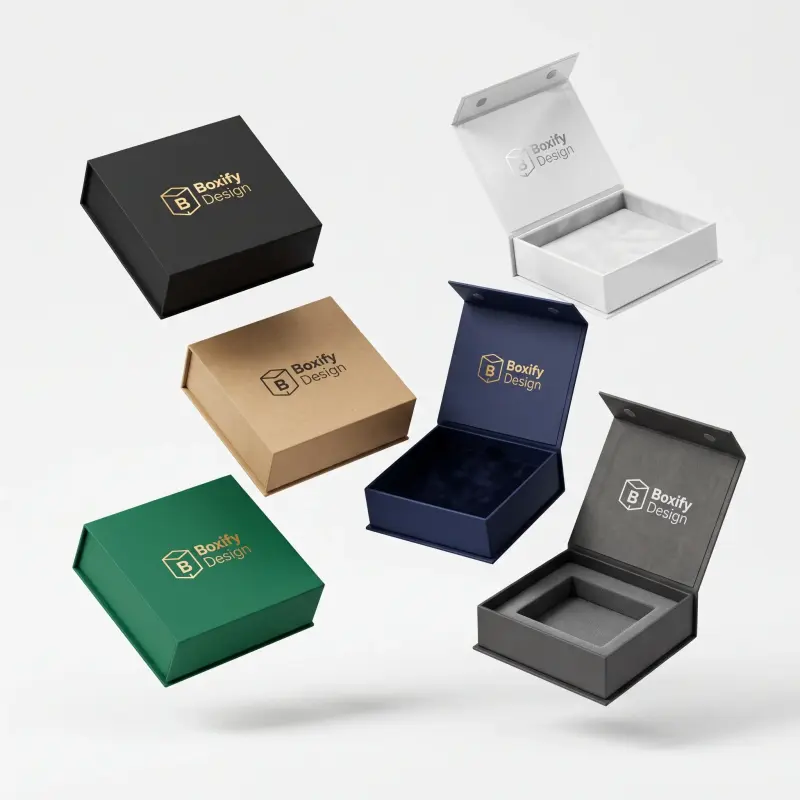
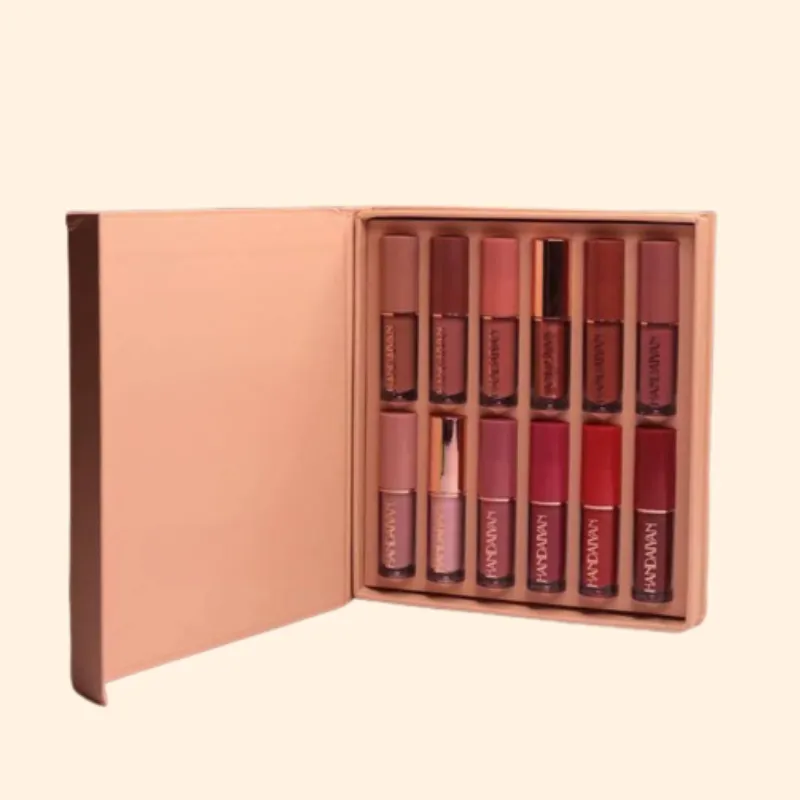
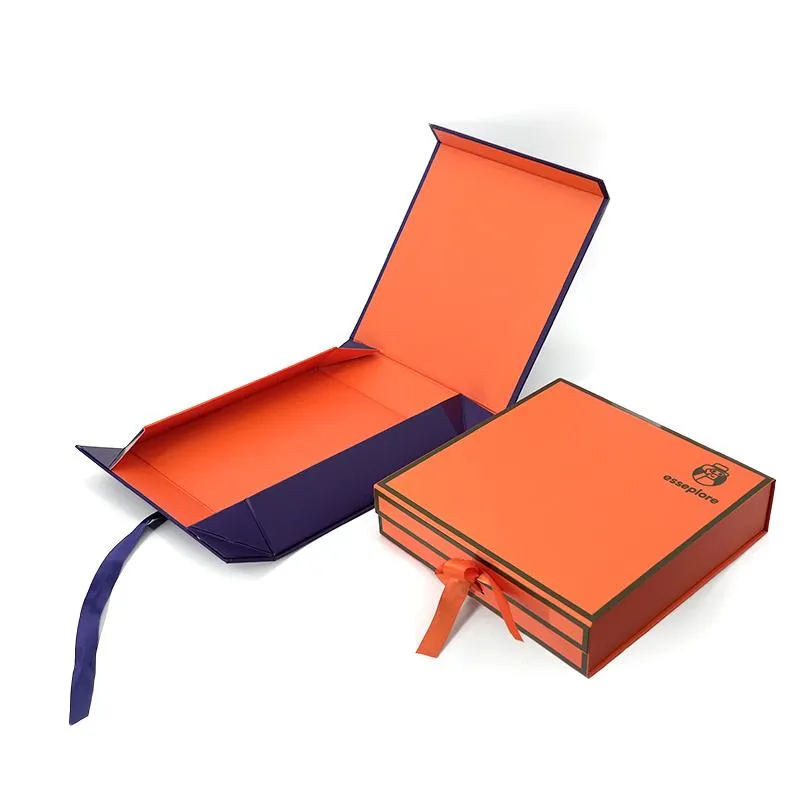
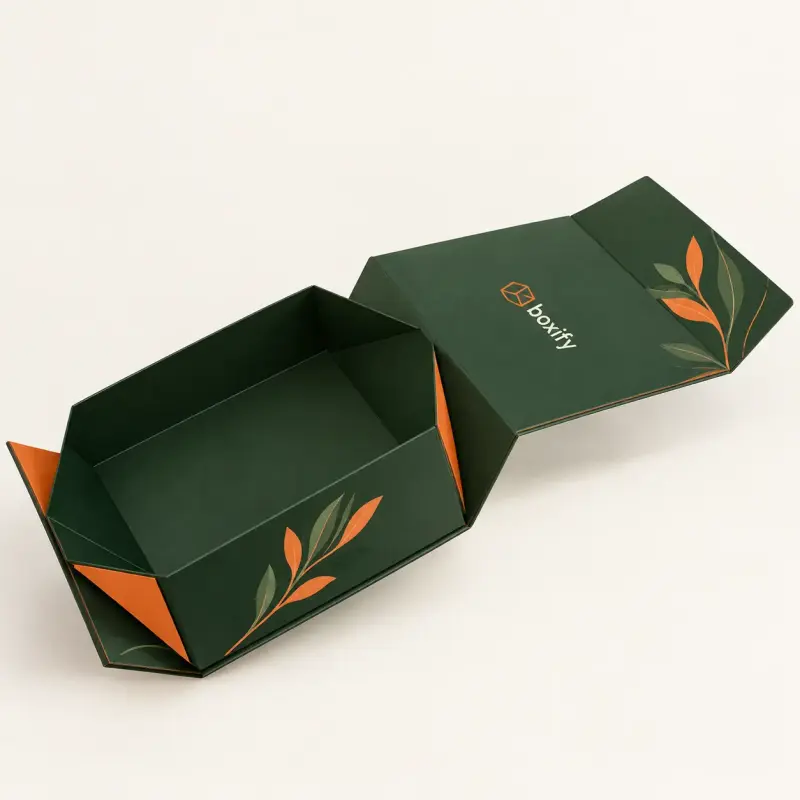
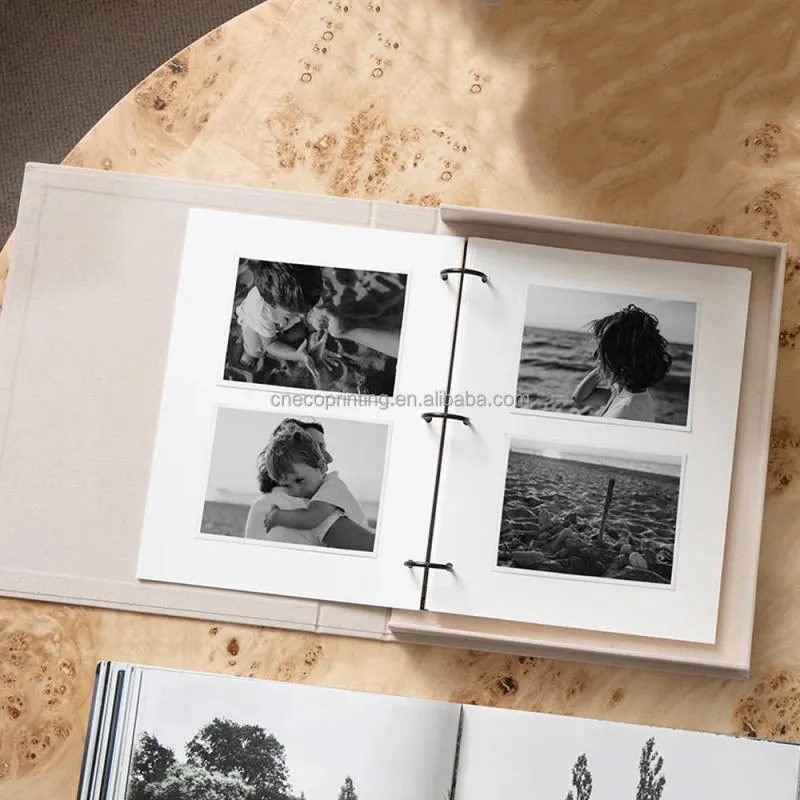
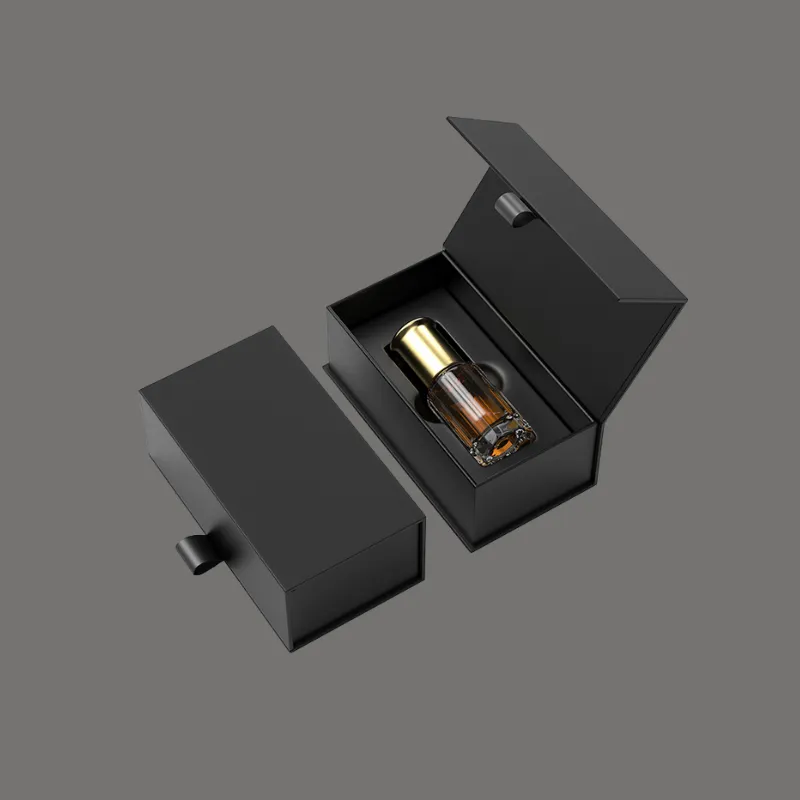
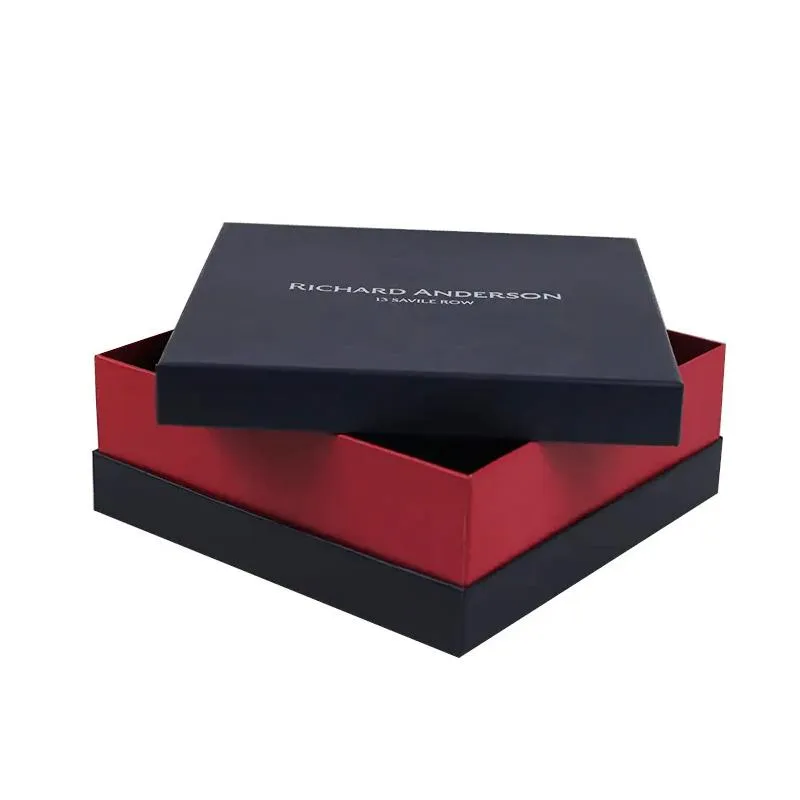
A flip top box does exactly what the name suggests, the lid stays attached to the base and opens on a hinge instead of coming off completely like a standard tuck box. Doesn't sound like a big deal, but it changes how the...

UK
 4.5
4.5
Date of experience
15 Oct, 2025
New York
5
Date of experience
15 Oct, 2025
New York
4.5
Date of experience
15 Oct, 2025
 No Minimum Order
 Free Custom Designing
 Best and Competitive Pricing
 No Die or Plate Charges
 7 Day Turnaround
 Free Shipping All Over USA
Packaging is usually the first thing your customer sees and it can make or break their buying decision. Flip boxes change that game completely. They add value to your product and instantly catch the eye. Their aesthetic appeal makes people stop scrolling and look twice, something plain standard boxes just can't do. Customers today care a lot about presentation, and flip rigid packaging plays a vital role in that. Maybe it's time to upgrade your simple packaging.
Because the lid stays attached, it can't get lost or damaged during shipping, something people usually only think about after it's already happened once. It also makes for a cleaner look on shelf, the box sits there whole, nothing loose or separate, which matters more for first impressions than people give it credit for. And since the lid never fully detaches, customers can open and close the box several times without it falling apart, useful if they end up reusing it for something else later.
The flat panels also leave decent space for branding, a logo up front, product details on the side, maybe a pattern across the top, without the design feeling cramped.
This style turns up across a pretty wide mix of product categories:
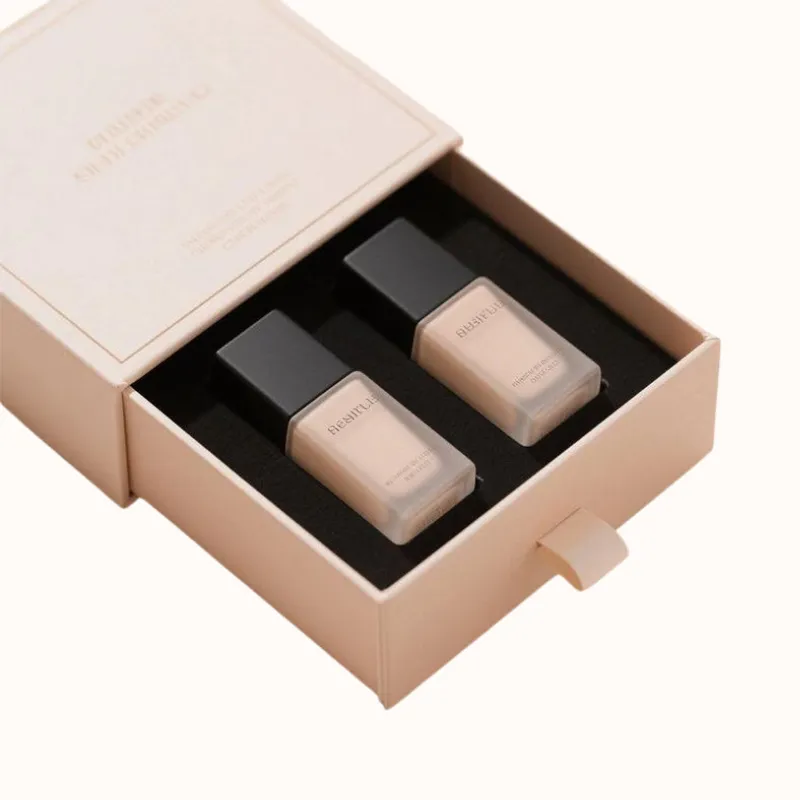
Cosmetics and skincare – serums, creams, small beauty sets where the box needs to look good on a shelf or inside a gift bundle.
Electronics and accessories – phone cases, earbuds, chargers, small tech items that need protection but also need to look retail-ready.
Food and confectionery – small chocolate assortments, specialty snacks, tea samplers, especially when the product is being given as a gift.
Jewelry and small accessories – rings, bracelets, watches, often paired with an insert to keep the item from sliding around.
Pharma and supplements – vitamin bottles, small devices, supplement packs where the flip top keeps things secure but still easy to access.
Retail and subscription boxes – monthly product drops, sample kits, anything that needs a consistent, branded look box after box.
The material changes a lot, how the box feels in someone's hand, how well it holds up, and how expensive the product looks once it's sitting inside.
Kraft paperboard works well for a natural or eco-conscious look, it's cheaper and has that slightly rougher texture a lot of skincare and food brands actually prefer.
SBS board (C1S or C2S) is smoother and holds fine print detail well, so if the design has photography or intricate artwork, this is usually the safer choice. Most retail-ready flip top boxes use this.
Rigid board is thicker and heavier, this is what gets used when the product needs to feel expensive, jewelry and premium gift sets mostly land here.
Corrugated stock comes in when the box needs extra strength for shipping, useful for electronics or anything traveling a long distance.
Recycled stock holds up about the same as regular kraft but comes from recycled material, a solid pick if sustainability is actually part of the brand story.
Digital printing makes sense for smaller batches or testing a new product line before committing to something bigger. Offset printing works better once orders move into bulk, it brings the per-unit cost down and keeps color consistent across a large run. If a brand has a specific color that needs to match exactly every time, CMYK or Pantone matching handles that, especially useful when color is part of the brand identity.
Custom inserts to hold products steady, die-cut windows if the product should be visible without opening the box, and ribbon or magnetic closures if a standard flip top feels a little too plain for the occasion.
We don't charge extra for design help or mockups, that's just part of it. Minimum order quantities are low enough that a smaller batch isn't a hassle, and there's full control over size, material, printing, and finish. Shipping across the US is reliable, and the process involves talking to an actual person rather than sending an order off and hoping it comes back the way it was pictured.
First, the specs get shared, size, quantity, whatever material preference is already in mind. Then artwork gets sent over, or if there's nothing ready yet, our team helps put something together from scratch. Before anything gets printed, a digital mockup comes through so there's no surprise later. Once that's approved, production begins, and then your custom boxes ship out with tracking straight to the address provided.
| Product Style | Flip Top Boxes |
| Dimension (L + W + H) | All Custom Sizes and Shapes |
| Quantities | Low MOQ |
| Stock | 10pt to 28pt (60lb to 400lb) Eco-Friendly Kraft, E-flute Corrugated, Bux Board, Cardstock |
| Printing | Offest , Digital , Screen |
| Finishing | Matte, Gloss, Soft-Touch, Spot UV, Foil Stamping, Embossing/Debossing |
| Included Options | Die Cutting, Gluing, Scored,Perforation |
| Additional Options | Die-Cut Windows, Custom Inserts, Foil Accents |
| Proof | Flat View, 3D Mock-up, Physical Sampling (On request) |
| Turnaround | 10 - 12 Business Days, RUSH |
| Shipping | Flat |

Foil stamping, sometimes called foil printing, is a method of applying colored foils to a surface for an elegant look.

The term "kraft" is German for "strength," reflecting the material's durability, which makes it ideal for shipping and protecting products, especially when used in its naturally brown or white forms.

Rigid stock is a premium, sturdy material used for custom boxes, created by combining a dense paperboard core (chipboard) with a smooth, high-quality paper or cardstock covering.

Corrugated is a strong, layered material composed of a wavy, inner fluted sheet sandwiched between two flat outer linerboards.

Foil stamping, sometimes called foil printing, is a method of applying colored foils to a surface for an elegant look. Much like embossing, foil stamping uses a combination of heat and pressure to stick foil to a printed substrate.

Spot UV is a method of applying a glossy, ultra-smooth finish to targeted areas of printed materials.

A glossy finish is a smooth, shiny surface that reflects light, giving a vibrant, high-shine appearance to the boxes.

Holographic foiling on custom boxes is a luxury packaging finish that applies a special foil to the box's surface to create a shimmering, multi-colored effect.

Embossing in packaging is a technique that involves creating raised designs on custom boxes, thereby adding texture and dimension to the packaging.

A metal plate is engraved with your custom design, heated, and pressed into the material to create promotional products with dimensional depth.

A matte finish on custom boxes is a non-reflective, smooth coating that gives a sophisticated and elegant look with a soft, velvety texture.

A finishing process for custom boxes where a thin, matte plastic film is applied to create a smooth, velvety, and luxurious feel.
Find answers to common questions about this product. Contact us if you need more help with your custom packaging order.


 Cardboard Boxes
 Corrugated Boxes
 Rigid Boxes
 Kraft Boxes
 Custom Tote Bag
 Custom Mylar Bags
 Hang Tags
 Labels & Stickers
 Mailer Boxes
 Paper Bags
 Trays and Sleeves
 Tube Packaging
 Tuck Boxes
 Display Boxes
 Window Packaging Boxes
 Gable Boxes
 Pillow Boxes