


 Apparel Boxes
 CBD Boxes
 Electronic Boxes
 Jewelry Boxes
 Christmas Boxes
 Soap Boxes
 Bottle Boxes
 Hardware Boxes
 Health Boxes
 Product Boxes
 Pharma Boxes
 Holiday Boxes
 Shipping Boxes
 Sports Boxes
 Pre Roll Boxes
 Pizza Boxes
 Vape Boxes
 Hemp Boxes
 Cereal Boxes
 Bakery Boxes
 Gift Boxes
 Stationery Boxes
 Chocolate Boxes
 Retail Boxes
 Candle Boxes
 Food Boxes
 Tea Packaging
 Cigarette Boxes
 Cosmetic Boxes
 Coffee Packaging
 Cardboard Boxes
 Corrugated Boxes
 Rigid Boxes
 Kraft Boxes
 Custom Tote Bag
 Custom Mylar Bags
 Hang Tags
 Labels & Stickers
 Mailer Boxes
 Paper Bags
 Trays and Sleeves
 Tube Packaging
 Tuck Boxes
 Display Boxes
 Window Packaging Boxes
 Gable Boxes
 Pillow Boxes

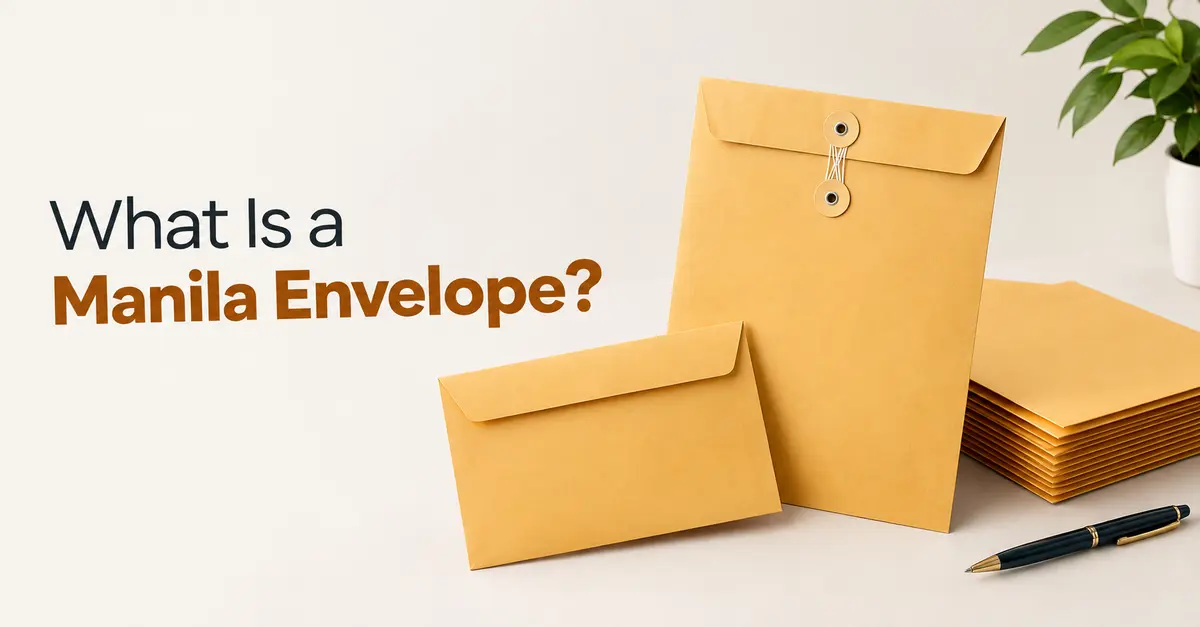
A manila envelope seems like the simplest packaging there is. Yet the wrong size can bend your papers and slow down a delivery. It can also cost you extra at the post office. This guide covers the sizes you will actually find and the closures worth knowing. You will also see how to mail one the right way.
What Is a Manila Envelope?
A manila envelope is a tan paper mailing type envelope built to carry documents flat. It usually has a wide open end with a flap on top. Offices use it for contracts. Schools use it for report cards and forms. Families use it for birth certificates and tax papers. The paper is thicker than a normal white envelope so it handles rough treatment and resists tears much better.
Why Is It Called Manila?
The name points to Manila hemp. That is another name for abaca: a plant from the Philippines with a very strong fiber. Sailors used that fiber to make ship ropes. Papermakers later turned worn out ropes into tough paper. Wood pulp is far cheaper than abaca so it slowly took over. The tan color and the name stayed behind. Most envelopes sold today are made from wood pulp.
Common Manila Envelope Sizes
Start with the papers you plan to send. The table below shows the sizes most US suppliers carry.
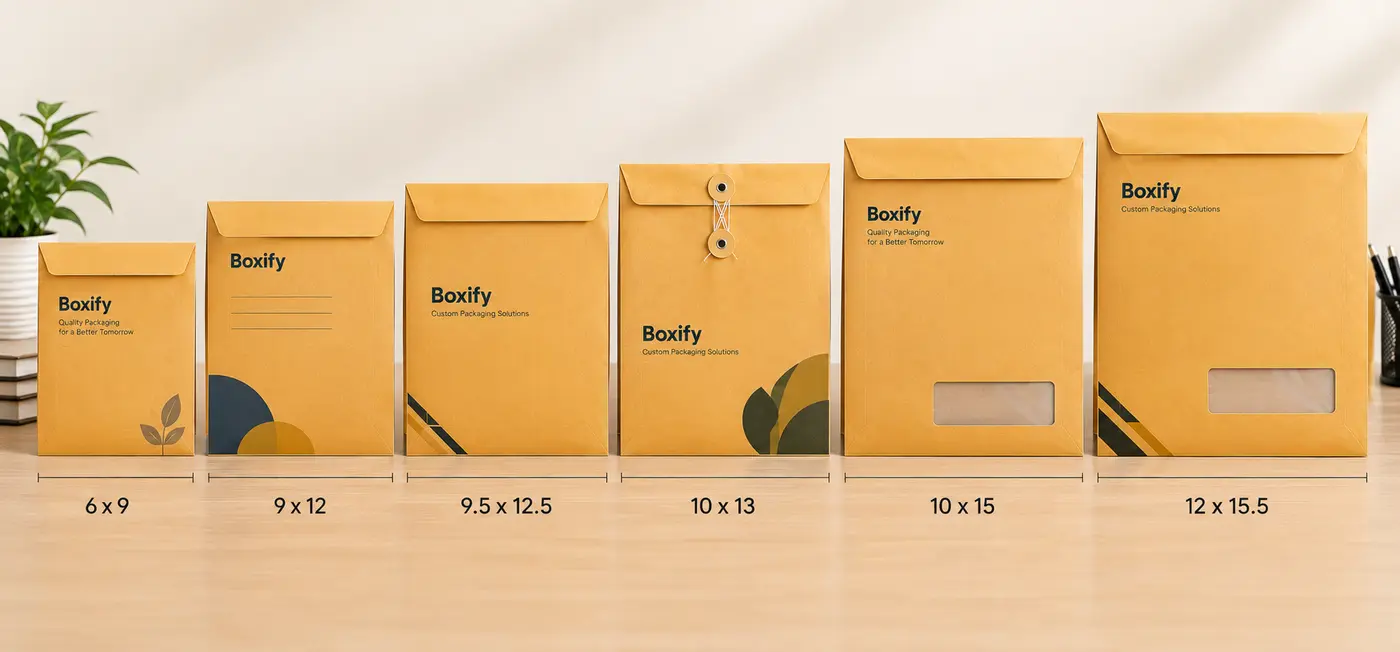
| Size (inches) | Best for |
|---|---|
| 6 x 9 | Photos, invitations, booklets and small forms |
| 9 x 12 | Letter size papers (8.5 x 11) kept flat |
| 9.5 x 12.5 | Letter size papers plus a thin folder or a few extra sheets |
| 10 x 13 | Catalogs, brochures and multipage reports |
| 10 x 15 | Legal size papers (8.5 x 14) |
| 12 x 15.5 | Magazines, large booklets and bigger presentations |
How to Choose Your Size
Measure your papers first. Then add about half an inch on every side. A tight fit makes the papers hard to slide in and the edges start to curl. A loose fit lets the stack shift around during transit. Thick stacks need extra thought. A gusseted envelope has folded sides that open up and give you room for catalogs or bound reports.
Legal Size Manila Envelopes
Legal paper measures 8.5 x 14 inches. A 9 x 12 envelope is too short for it. Go with a 10 x 15 envelope instead. Some brands sell it as wide as 11 x 15 so check the listing before you buy in bulk. People often mix this up with the 12 x 15.5 size. That one suits magazines and large booklets better.
Closure Types You Can Choose From
The closure changes how the envelope feels to use. These are the five you will meet most:
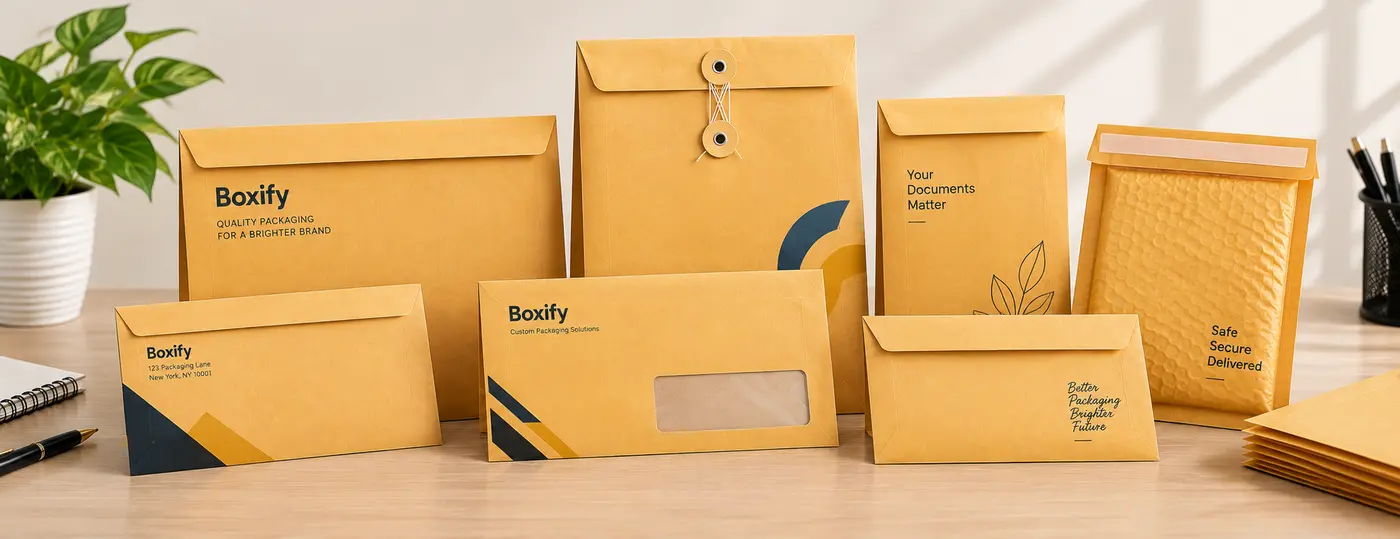
- Metal clasp: two prongs go through a reinforced hole and bend open. You can open and close it many times.
- String and button: a cord winds around a paper button. It suits files you open often.
- Gummed flap: you moisten the glue. It is the classic budget pick.
- Peel and seal: pull off a strip and press the flap down. This is the fastest option for large mailings.
- Gusseted: the sides expand to fit bulky contents.
Paper Weight and Board Backing
Most standard manila envelopes use 28 lb paper. That works well for everyday office mail. Choose an extra heavyweight option when the contents have sharp corners or the envelope will be handled a lot. Photos and certificates need more help. A board backed envelope adds a stiff cardboard layer and often carries a printed Do Not Bend warning.
Where Manila Envelopes Work Best
Banks and hospitals use them to keep records together. Law offices send signed papers in them. Online sellers use the smaller sizes for flat goods like art prints or sticker packs. Event planners use them for invitations and programs. They also make a handy home filing system for receipts and warranties.
How to Mail a Manila Envelope in the US
USPS calls large envelopes flats. A flat can be up to 12 inches high and 15 inches long. It can be up to three quarters of an inch thick. First-Class Mail flats have a weight limit of 13 ounces. A 9 x 12 envelope costs more than a regular letter stamp so weigh it before you head out. Prices change often so use the USPS postage calculator for the current rate.
Watch the contents too. A stiff item like a key or a CD can trigger a non-machinable surcharge. A metal clasp can also catch in sorting machines. Place a strip of tape over the metal to be safe.
For the address, write the return address in the top left corner. Put the recipient name and address in the center. Place the stamp or postage label in the top right corner. Use large and clear print because small text on a big envelope is easy to miss.
Recycling and Reuse
Manila envelopes are paper so most local programs accept them. Remove the metal clasp if your program asks for it. Clasp and string closures also let you reuse the envelope for storage. That one habit cuts waste at home and in the office.
Custom Printed Manila Envelopes for Your Brand
The warm tan tone gives a natural look that suits craft shops and law firms alike. Manila paper takes ink well so a one color logo on the flap looks sharp. Add your return address and a Do Not Bend note to the front. Match the size to the product so it does not rattle inside. If you ship items of different weights you can pair envelopes with kraft mailers or poly mailers for the heavier orders.
Ready to print your own envelopes? Send your size and artwork to inquiries@boxifydesign.com or call (312) 681 7194. The Boxify Design team will help you shape the right style and your order comes with free design support and free shipping.


